
Rotational Family Breeding: A Structured Method for Developing a Bloodline
Introduction
One of the main goals of a serious breeding program is to create consistency. While outstanding individual animals can be produced through random matings or occasional outcrosses, developing a recognisable and predictable bloodline usually requires a more structured approach.
Rotational family breeding is a method that combines selective breeding, linebreeding, and controlled genetic diversity. The aim is to gradually build a family of animals that consistently reproduce the same desirable traits generation after generation. This approach has similarities to breeding systems historically used in livestock, working dogs, horses, and other domestic animals.
The Basic Concept
The system begins with a high-quality foundation female.
In the first few generations, selected males from different but complementary bloodlines are introduced. This creates a broader genetic base while collecting desirable traits from multiple sources.
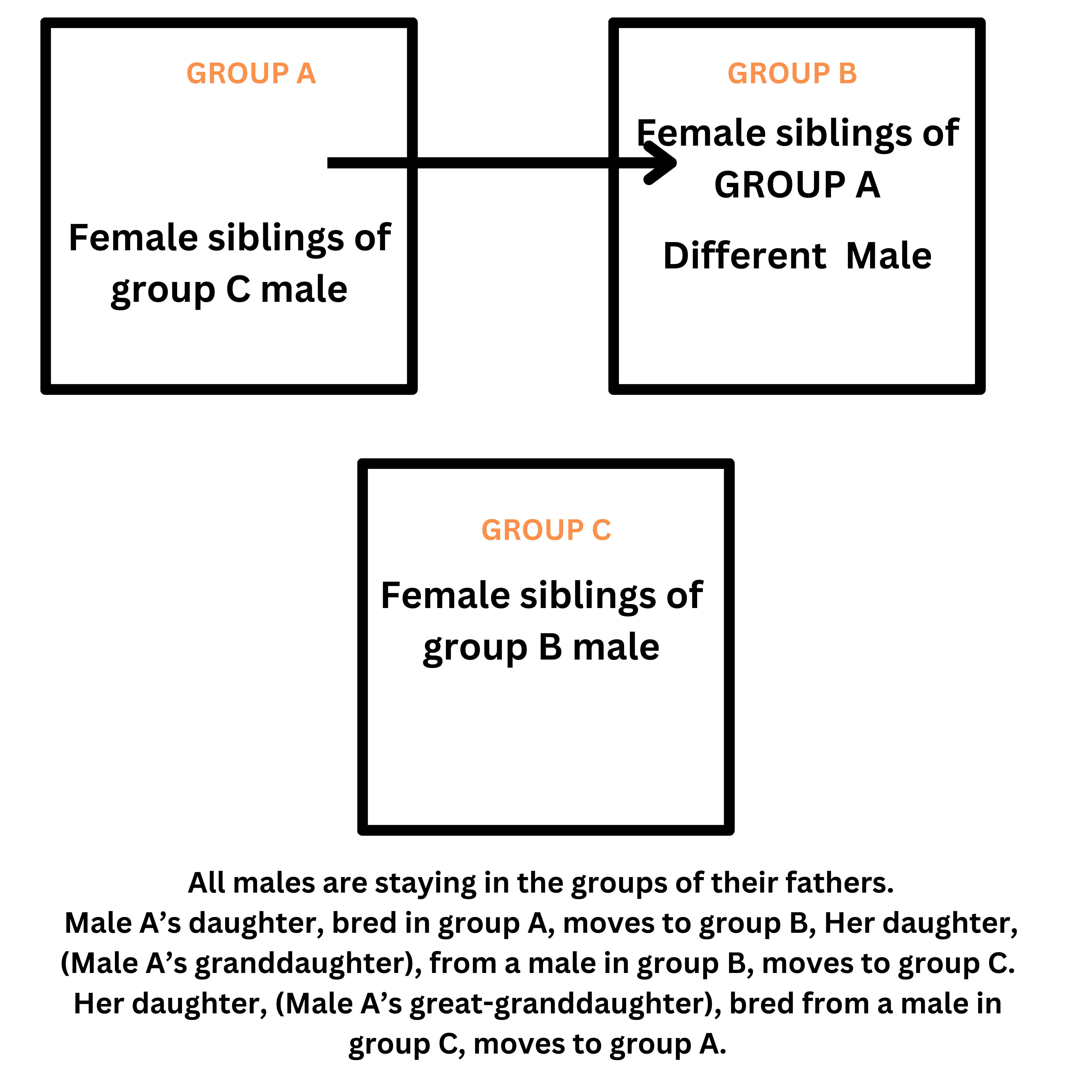
Once these bloodlines have been combined, the breeder begins breeding back into earlier generations of the family. Instead of continually bringing in unrelated animals, males descending from previous generations are rotated back into the program.
The pattern typically follows a cycle:
- Female from a later generation bred to a male from Generation 1.
- Resulting female bred to a male from Generation 2.
- Resulting female bred to a male from Generation 3.
- Cycle repeated.
This creates a family structure where important ancestors continue to influence future generations without relying on extremely close inbreeding.
Why This Method Is Used
1. To Increase Consistency
One of the major advantages of linebreeding and family breeding is increased predictability.
When related animals sharing desirable traits are bred within the same family over multiple generations, offspring tend to become more uniform in:
- Appearance
- Structure
- Movement
- Size
- Temperament
Research in animal breeding shows that concentrating related genetics increases the likelihood that desirable traits will be passed on consistently.
2. To Build a Recognisable Family
Many successful breeders aim to create animals that can be recognised as part of a particular family or strain.
Rather than producing random results from unrelated crosses, family breeding seeks to establish a consistent “type.”
Over time, breeders often begin seeing:
- Similar head shape
- Similar body structure
- Similar expression
- Similar movement
- Similar temperament
This is often referred to as a family breeding true.
3. To Preserve Valuable Genetics
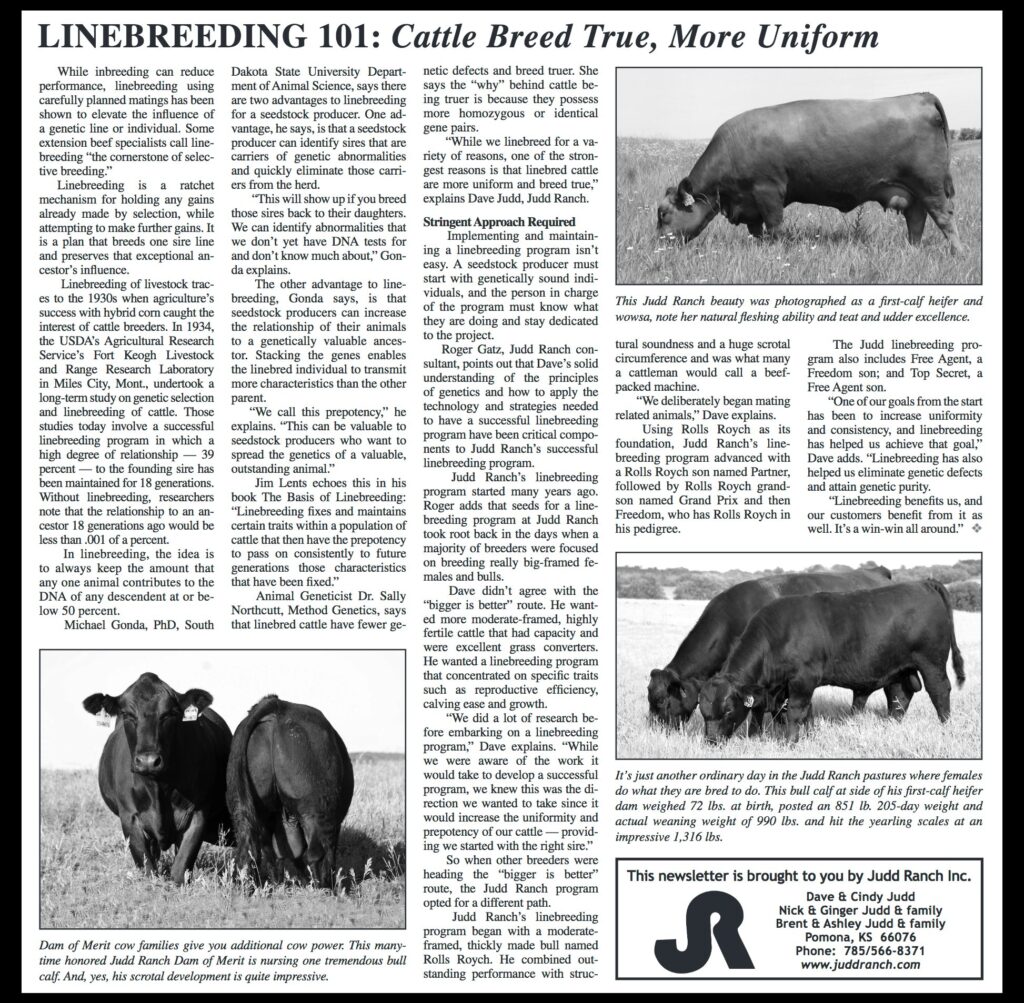
Repeated outcrossing can dilute the influence of outstanding animals over time.
Rotational family breeding helps preserve the genetics of important ancestors by continually bringing their descendants back into the breeding program.
This allows key traits to remain influential for many generations rather than disappearing through genetic dilution.
The Importance of Female-Line Selection
A key feature of this method is retaining the best female from each generation.
The maternal family remains intact while carefully selected males are introduced according to the breeding plan.
The breeder continually evaluates females for:
- Health
- Structural soundness
- Reproductive ability
- Temperament
- Breed type
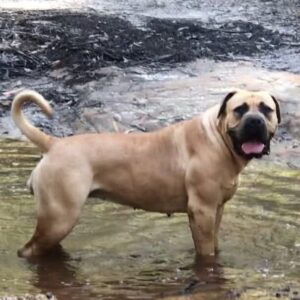
Over time, this creates a strong and reliable maternal family that forms the backbone of the bloodline.
Animal breeding research consistently shows that long-term progress depends heavily on selection pressure. In simple terms, the quality of the breeding stock chosen each generation has a greater impact than the pedigree alone.
Managing Genetic Diversity
A common concern with any family breeding system is excessive inbreeding.
Scientific literature shows that while moderate linebreeding can improve consistency, excessive inbreeding may increase the risk of:
- Reduced fertility
- Lower litter sizes
- Health problems
- Reduced survival rates
- Loss of genetic diversity
This is known as inbreeding depression.
The rotational structure helps reduce this risk by:
- Using multiple sire lines.
- Rotating male influence.
- Avoiding repeated use of a single ancestor.
- Maintaining selection pressure against undesirable traits.
The goal is not extreme inbreeding, but controlled genetic concentration.
Expected Outcomes
When managed correctly over many generations, breeders may expect:
Greater Uniformity
Litters become more consistent in appearance and quality.
Improved Predictability
Breeders gain a better understanding of what traits are likely to appear in offspring.
Strong Family Identity
Animals begin to share recognisable characteristics across generations.
Preservation of Important Traits
Desired features are maintained within the bloodline rather than being lost through continual outcrossing.
Long-Term Bloodline Development
The breeding program becomes focused on developing a family rather than producing isolated outstanding individuals.
Limitations
No breeding system is perfect.
Rotational family breeding still requires:
- Careful health testing.
- Honest evaluation of breeding stock.
- Removal of poor-quality animals from the breeding pool.
- Monitoring of inbreeding levels.
- Occasional introduction of new genetics when necessary.
A structured breeding plan cannot compensate for poor selection decisions. The quality of the animals chosen remains the most important factor in the success of the program.
Conclusion
Rotational family breeding is a structured approach to bloodline development that combines linebreeding with controlled genetic diversity. By maintaining a strong maternal family and rotating selected male lines through successive generations, breeders can gradually create a consistent and recognisable bloodline.
The method is designed to improve predictability, preserve valuable genetics, and develop a family that reliably reproduces desired traits while avoiding the risks associated with excessive inbreeding. When combined with strict selection and health monitoring, it can provide a practical framework for long-term bloodline development.
References
Hill, W.G. (2014). Applications of Population Genetics to Animal Breeding. Genetics.
Yadav, A., Jain, A., Sahu, J., Dubey, A., Gadpayle, R., Barwa, D.K., & Kumar, V. (2019). A Review on the Concept of Inbreeding and its Impact on Livestock. International Journal of Fauna and Biological Studies.
Theron, H. (2021). Inbreeding and Line Breeding. SA Stud Book and Animal Improvement Association.
Hall, A.G. (2015). Linebreeding, Inbreeding – What’s the Difference?
Meat & Livestock Australia. Inbreeding and Genetic Diversity. MLA Toolbox.
Touchstone Angus. Understanding Linebreeding.
Animal Breeding. Encyclopaedic overview of quantitative genetics and selection methods.
Outcrossing. Overview of genetic diversity and introduction of unrelated bloodlines.
Preservation Breeding. Principles of maintaining bloodlines and genetic resources.
Purebred Breeders. Historical approaches to maintaining breed characteristics through selective breeding.